


INAHTA Board Director (2026-2028)
IETS, Colombia
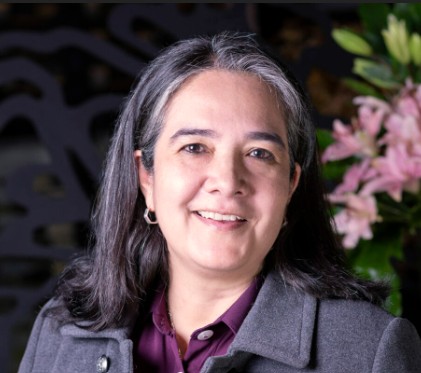
Health technology assessment was built on a foundational promise: that evidence, rigorously produced, should guide how societies allocate resources for health. After more than two decades as a nephrologist and seven years leading Colombia’s national HTA agency, I have witnessed both the power of that promise and its most persistent unfinished business — the gap between what we assess and what patients actually access. This gap is not random. It follows the contours of geography, income, and institutional capacity. It is widest precisely where the burden of disease is heaviest.
INAHTA, as the largest independent HTA network in the world, is uniquely positioned to confront this structural reality — not by abandoning methodological rigor, but by expanding the questions rigor is asked to answer.
My vision for INAHTA centers on three interconnected priorities. First, equity as a methodological imperative. Standard cost-effectiveness frameworks systematically undervalue technologies in contexts of weak implementation capacity. INAHTA should lead the development of shared methods that account for real-world access constraints — a more honest and complete accounting of value. Second, institutional strengthening as a network strategy. INAHTA’s credibility depends on the strength of its member agencies.
Many operate under significant legal, financial, and institutional constraints. INAHTA should invest in peer-learning mechanisms, shared infrastructure, and advocacy frameworks that help these agencies secure the mandate and financing they need to function independently. I am particularly interested in strengthening collaborative production models between agencies, including shared assessments, methodological exchange, and joint capacity development. Third, closing the evidence-to-decision gap. INAHTA should develop shared tools that enable member agencies to deliver HTA conclusions — methodological integrity intact — to the decision-makers who control coverage, pricing, and benefit packages.
I bring to the Board the perspective of a clinician who became a health economist because she needed better answers, and someone who has spent seven years learning that evidence only matters if the institution producing it is trusted, funded, and resilient. I am honored to contribute that perspective to INAHTA’s future.